
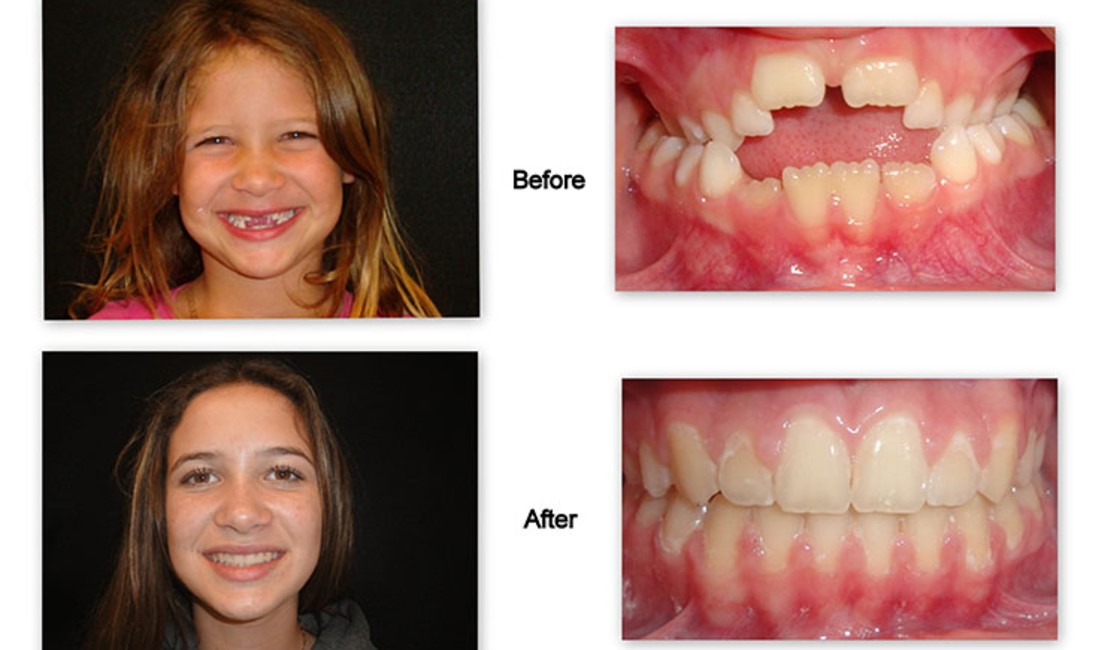
Complete Guide to Orthodontic Dentistry for a Healthy Smile
What Is Orthodontics Dentistry?
Orthodontics dentistry is a specialized branch of dental care focused on diagnosing, preventing, and correcting irregularities in the alignment of the teeth, jaws, and bite. Orthodontic treatment isn’t just about improving appearance — it’s about enhancing function, health, and confidence too.
At Joyful Smiles Dental Studio, orthodontic dentistry services are designed to help patients of all ages straighten crooked or crowded teeth, correct bite issues, and achieve a more balanced, healthy smile.
Why Orthodontic Treatment Matters
1. Better Oral Function
Misaligned teeth and improper bites can affect your ability to chew and speak properly. Orthodontic treatment realigns teeth so your bite functions efficiently, making everyday tasks like eating much more comfortable.
2. Easier Oral Hygiene
Straight teeth are easier to brush and floss effectively. This reduces plaque buildup, which in turn lowers the risk of tooth decay and gum disease — common consequences of misaligned teeth.
3. Reduced Dental Problems
When teeth don’t fit together well, it can lead to issues like enamel wear, tooth fractures, jaw pain, and headaches. Orthodontic correction helps distribute biting forces evenly and protects long-term tooth health.
4. Enhanced Self-Confidence
Perhaps one of the most noticeable benefits is the boost in confidence that comes with a beautiful, well-aligned smile. A straight smile often leads to better social and professional interactions — and that can have a big impact on quality of life.
Common Orthodontic Issues Treated
Orthodontic dentistry addresses a range of bite and alignment problems, including:
Crowded or Crooked Teeth
Gapped Teeth
Overbite / Underbite / Crossbite
Malocclusion (poor bite alignment)
These conditions can be inherited, caused by habits like thumb-sucking, or result from early tooth loss. Regardless of cause, untreated orthodontic issues can worsen over time — making early treatment beneficial.
Orthodontic Treatment Options
Orthodontics has advanced far beyond traditional metal braces. Modern treatments are more comfortable, discreet, and efficient:
Traditional Braces
Metal braces use brackets and wires to gently guide teeth into the correct position over time. They are highly effective for a wide range of alignment issues.
Clear or Ceramic Braces
These work like traditional braces but use tooth-colored or clear materials to make them less noticeable.
Clear Aligners (e.g., Invisalign®)
Clear aligners are custom-made, removable trays that gradually shift teeth into alignment. They are nearly invisible and allow easier brushing, flossing, and eating during treatment.
How Orthodontic Treatment Works
Orthodontic appliances work by applying gentle, continuous pressure to the teeth, encouraging them to move into their desired positions. Over many months (and sometimes years), bone and periodontal tissues adapt to this movement — resulting in a stable, straight smile.
Generally, the orthodontic process includes:
Initial Consultation & Examination
X-rays / 3D Scans
Custom Treatment Plan
Fitting of Braces or Aligners
Periodic Adjustments and Monitoring
Retention Phase to Maintain Results
Adults & Children: Who Needs Orthodontics?
Orthodontic treatment isn’t just for kids or teens. Adults can benefit greatly, whether they never had treatment before or are correcting shifting teeth later in life. Age is less a factor than the specific alignment and bite needs of the individual.
Tips for Success During Treatment
To get the most out of your orthodontic care:
Follow your orthodontist’s instructions closely
Maintain excellent oral hygiene
Attend all adjustment appointments
Wear retainers as recommended after active treatment
Conclusion: A Lifetime of Benefits
Orthodontics dentistry does much more than “straighten teeth.” It improves how your mouth works, enhances dental health, boosts confidence, and helps prevent future problems. Whether with braces or clear aligners, orthodontic care is a smart investment in your overall well-being and smile.