
Why Do Teeth Become Sensitive? Causes and Treatment
Tooth sensitivity is a common dental problem that affects many people at some point in their lives. If you feel a sudden sharp pain when eating hot, cold, sweet, or acidic foods, it may be a sign of sensitive teeth. This condition can make everyday activities like eating ice cream or drinking hot tea uncomfortable. Understanding the causes and treatment options can help you manage and prevent tooth sensitivity effectively. If the problem persists, consulting a professional at Joyful Smiles Dental Studio, a trusted Dentist Doctor in Greater Noida, can help you get the right diagnosis and treatment.
What Is Tooth Sensitivity?
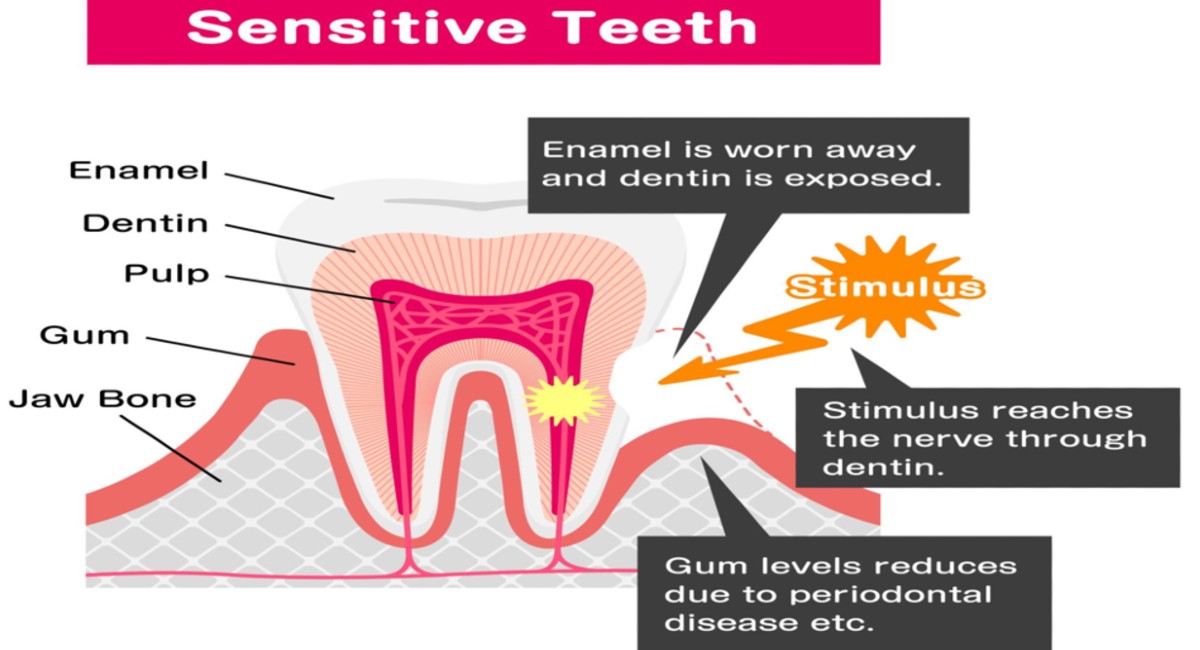
Tooth sensitivity, also known as dentin hypersensitivity, occurs when the protective enamel layer of the tooth becomes worn down or when the gums recede, exposing the underlying dentin. Dentin contains tiny tubules that connect to the nerves inside the tooth. When these tubules are exposed, hot, cold, sweet, or acidic foods can reach the nerves and cause discomfort or pain.
Many patients visiting Joyful Smiles Dental Studio report tooth sensitivity as one of the most common dental concerns. Early detection and proper dental care can help prevent the condition from becoming severe.
Common Causes of Tooth Sensitivity
1. Worn Tooth Enamel
Enamel protects your teeth from damage and sensitivity. Brushing too hard, using a hard-bristled toothbrush, or consuming acidic foods can gradually wear down enamel and expose the sensitive inner layers of the tooth.
2. Gum Recession
When gums recede, the roots of the teeth become exposed. The root surface does not have enamel protection, making it more sensitive to temperature changes and certain foods.
3. Tooth Decay or Cavities
Cavities can create holes in the teeth, exposing the sensitive inner layer. This can lead to pain or sensitivity when eating or drinking.
4. Teeth Grinding (Bruxism)
Grinding or clenching your teeth can wear down enamel over time, increasing the risk of sensitivity and other dental problems.
5. Cracked or Damaged Teeth
A cracked tooth may expose the dentin layer, allowing external stimuli to reach the nerves and cause discomfort.
6. Recent Dental Procedures
Some dental treatments like teeth whitening, fillings, or deep cleaning may temporarily cause tooth sensitivity. However, this usually subsides after a short time.
If you experience persistent sensitivity, it is important to visit a best Dentist Doctor in Greater Noida for a proper examination.
Symptoms of Tooth Sensitivity
Common signs of sensitive teeth include:
Sharp pain when eating hot or cold foods
Discomfort when consuming sweet or acidic drinks
Pain while brushing or flossing
Sensitivity when breathing in cold air
If these symptoms occur frequently, it may indicate an underlying dental issue that requires professional care from the Best Dentists in Greater Noida.
Treatment Options for Sensitive Teeth
The treatment for tooth sensitivity depends on the underlying cause. Dental experts at Joyful Smiles Dental Studio provide various treatment options to relieve sensitivity and protect your teeth.
1. Desensitizing Toothpaste
Special toothpaste for sensitive teeth can help block the transmission of pain signals from the tooth surface to the nerve.
2. Fluoride Treatment
Fluoride applications strengthen tooth enamel and reduce sensitivity by protecting exposed dentin.
3. Dental Bonding or Sealants
If sensitivity is caused by exposed tooth roots, dentists may apply bonding material to protect the sensitive areas.
4. Gum Treatment
For cases caused by gum recession, specialized gum treatments may be recommended to protect the tooth roots.
5. Root Canal Treatment
In severe cases where sensitivity is caused by nerve damage, a root canal procedure may be necessary to eliminate pain and save the tooth.
Patients seeking expert care often choose the Best Dentists In Greater Noida at Joyful Smiles Dental Studio for effective and comfortable dental treatments.
Tips to Prevent Tooth Sensitivity
You can reduce the risk of tooth sensitivity by following simple oral care practices:
Brush gently using a soft-bristled toothbrush
Use toothpaste designed for sensitive teeth
Avoid excessive consumption of acidic foods and drinks
Maintain proper oral hygiene by brushing and flossing daily
Visit your dentist regularly for checkups and professional cleaning
Regular dental visits play an important role in maintaining healthy teeth and preventing dental problems.
When to See a Dentist
If tooth sensitivity lasts for several days or worsens over time, it is important to seek professional help. Early treatment can prevent further damage and improve your oral health.
For expert dental care, you can consult the team at Joyful Smiles Dental Studio, known as one of the clinics with the kids dentist in Greater Noida. Their experienced dental professionals provide personalized treatment plans to ensure comfortable and effective care for every patient.
Conclusion
Tooth sensitivity can affect your daily life, but it is a manageable condition with the right care and treatment. Identifying the cause early and maintaining good oral hygiene can help prevent long-term dental problems. If you experience frequent sensitivity, visiting a qualified Dentist Doctor in Greater Noida can help diagnose the issue and provide the most suitable treatment.
With proper guidance and advanced dental care from the Best Dentists In Greater Noida at Joyful Smiles Dental Studio, you can restore your comfort and maintain a healthy, confident smile.
expert care at Joyful Smiles Dental Studio – Greater Noida.
Call / WhatsApp: +91 98217 58200
Visit: Joyful Smiles Dental Studio, Greater Noida